
Wire Harness Quotation Guide: Six Cost Factors and an RFQ Checklist
What to prepare before asking for a quote
A useful quote starts with a complete request: drawing or sample, bill of materials, connector and terminal part numbers, wire gauge and insulation, branch lengths, stripping and crimping requirements, label and packaging rules, quantity and target date. If the drawing is incomplete, send a marked photo and a pinout table; engineering can close the gaps before quoting.
Six factors that drive the cost
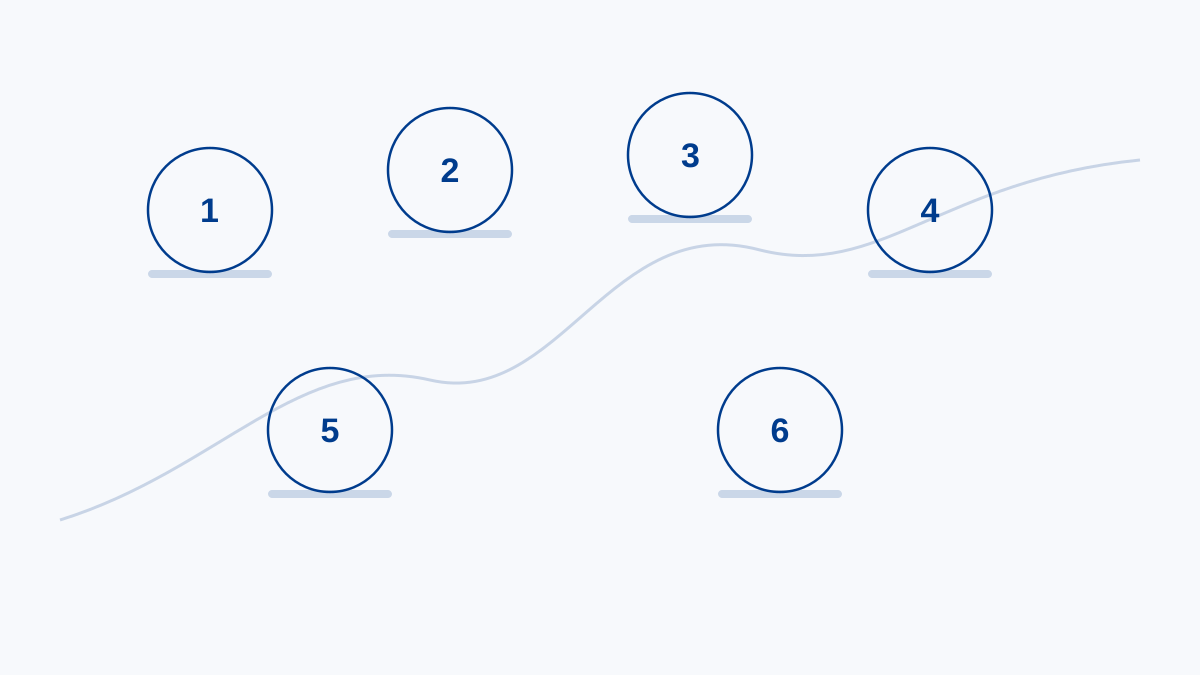
1. Conductor and insulation: copper size, stranding, temperature class and jacket material change wire cost and crimp settings. 2. Connectors and terminals: brand, series, plating and availability have a direct effect; obsolete parts may need an approved equivalent. 3. Process route: crimping, soldering, ultrasonic welding, overmolding, braiding and potting use different equipment and labor. 4. Test requirements: continuity only is different from full continuity plus dielectric, pull-force sampling and dimensional reports. 5. Assembly yield and time: fine wire, many branches, dense connectors and long harnesses increase handling and rework risk. 6. Order pattern: prototype, low-volume and repeat production carry different setup, material purchase and scheduling costs.
How to compare quotations
Compare the same drawing revision, bill of materials, test plan and packaging. Then ask what is excluded: tooling, samples, test reports, certificates, freight or urgency. A lower unit price with an unclear material or test scope is not a lower total cost.
RFQ checklist
- Drawing or sample and latest revision
- Bill of materials with approved brands
- Wire list, lengths and branch points
- Connector, terminal and seal part numbers
- Test and documentation requirements
- Label, packaging and shipping rules
- Prototype and production quantities
Send these details through the contact page, and engineering will confirm the missing points before quoting. For the manufacturing scope, see custom wire harness manufacturing.