
Selection Guide for Common Automotive Wire Harness Cables
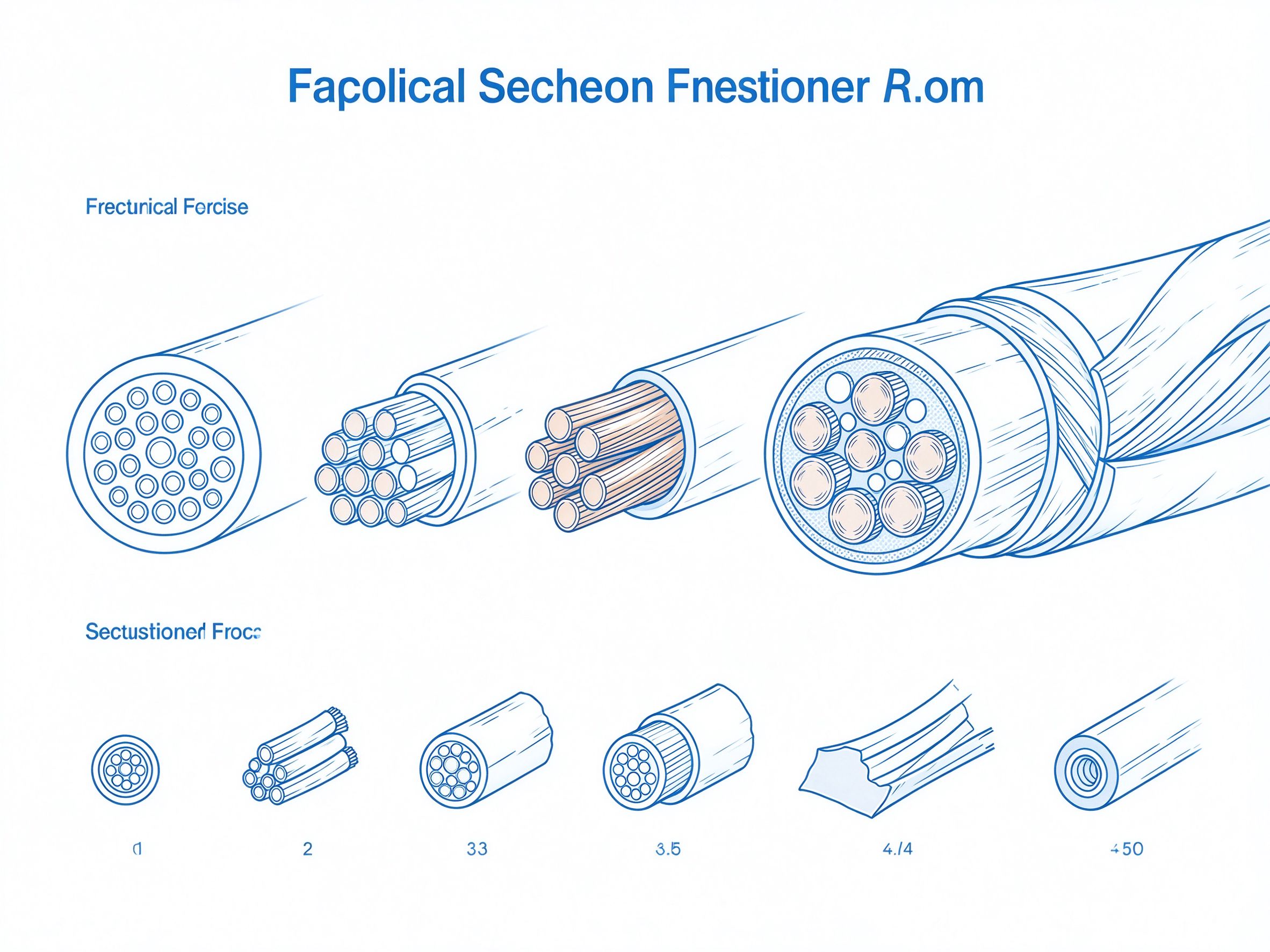
Selecting automotive harness cables requires balancing temperature, voltage, space, weight and cost. A proper choice ensures electrical safety while optimizing on-board routing. Cables are commonly grouped into low-voltage and high-voltage types by application.
Low-Voltage Cables
AVSS: thin-wall PVC wire rated around 80 degrees C, used for general body wiring and the most widely used low-voltage cable in vehicles.
FLRY-B: a German-standard wire rated around 105 degrees C, with a thin wall and small outer diameter, suited to tight installations such as the engine compartment.
AESSX: cross-linked polyethylene wire rated around 125 degrees C, used in high-temperature areas around the engine for better heat-aging resistance.
High-Voltage Cables
High-voltage harnesses for new energy vehicles require shielded cables rated from 600V to over 1000V, with insulation and jacket materials meeting relevant automotive and safety standards, providing high-temperature resistance, high-voltage endurance and electromagnetic shielding.
Selection Principles
Choose the temperature rating by ambient temperature, the cross-section by load current, and the wall thickness by installation space, while balancing conductor and insulation material cost; use shielded constructions for critical circuits when needed.