
Guide to Selecting Insulation Materials for High-Voltage Wire Harnesses
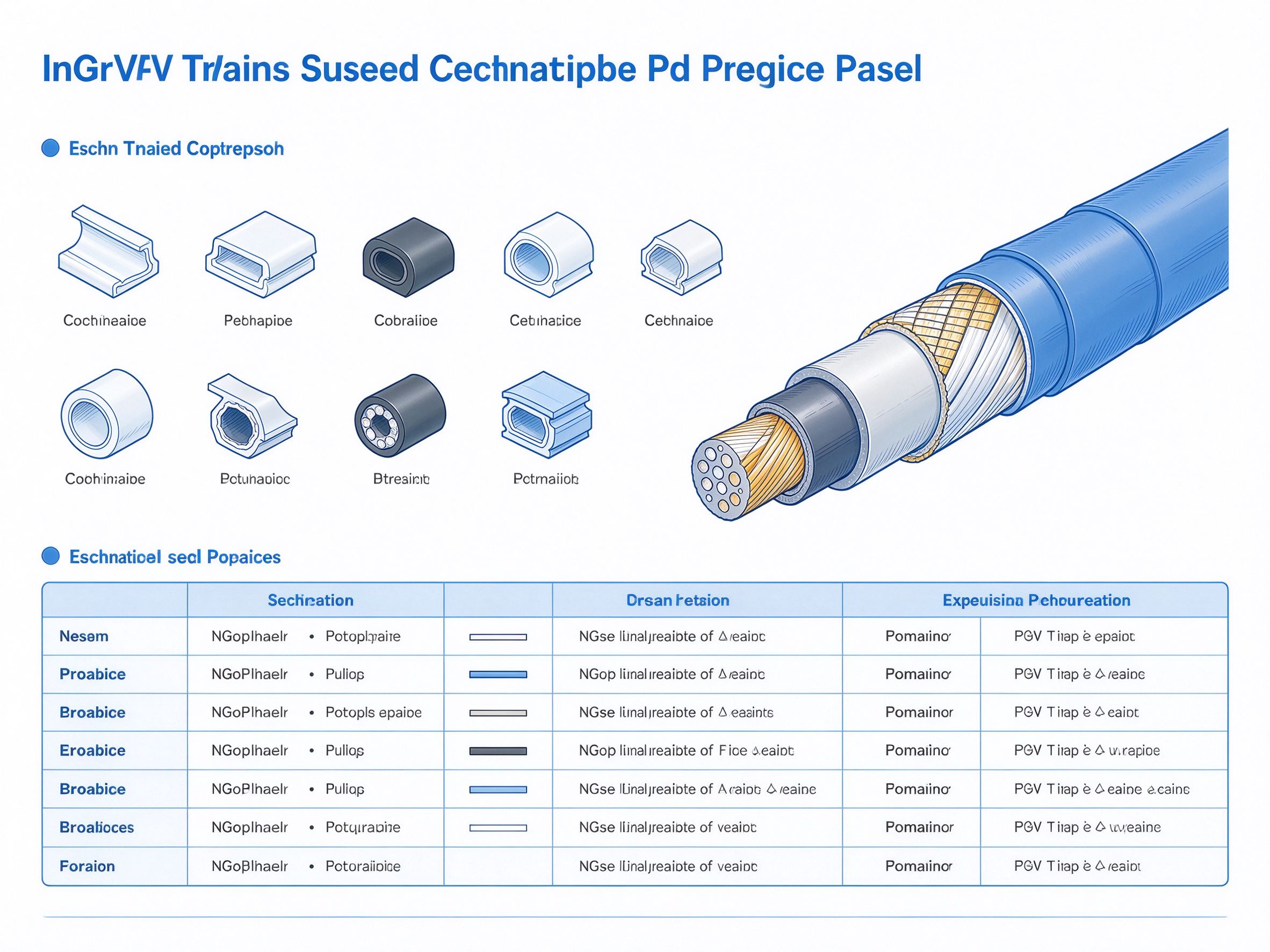
In the high-voltage systems of new energy vehicles, the insulation performance of the high-voltage wire harness is the key to vehicle safety. With the popularization of high-voltage platforms, the requirements for insulation materials keep rising. This article details the performance comparison and selection methods of commonly used insulation materials for high-voltage harnesses.
I. XLPE (Cross-Linked Polyethylene)
XLPE is currently the most widely used insulation material in high-voltage harnesses, with the following advantages:
1. Excellent electrical properties: high breakdown strength and low dielectric constant, suitable for high-voltage applications.
2. Good temperature resistance: long-term operating temperature up to 125°C, and can withstand 250°C for short periods.
3. High mechanical strength: tensile and tear strength are both superior to PVC.
Disadvantages: relatively high price and complex processing.
II. Silicone Rubber
Silicone rubber offers excellent high- and low-temperature resistance:
1. Wide temperature range: -60°C to 200°C, suitable for extreme temperature environments.
2. Excellent electrical properties: high insulation resistance and good arc resistance.
3. Good flexibility, easy to install and bend.
Disadvantages: lower mechanical strength, high price and poor oil resistance.
III. TPE (Thermoplastic Elastomer)
TPE is a new type of insulation material that combines the advantages of rubber and plastic:
1. Good flexibility and easy processing.
2. Eco-friendly and non-toxic, recyclable.
3. Good chemical corrosion resistance.
Disadvantages: temperature resistance is inferior to XLPE; the long-term operating temperature is generally below 105°C.
IV. Selection Recommendations
Choose the appropriate insulation material according to the application:
1. Internal battery pack harness: XLPE recommended, temperature resistance 125°C, voltage resistance 1500V.
2. Motor controller harness: XLPE or silicone rubber recommended, temperature resistance above 150°C.
3. Charging port harness: XLPE recommended, with good low-temperature and weathering resistance.
Our company has a complete high-voltage harness production line and provides one-stop service from design to production.