
Anti-Interference and Shielding Design of the Energy Storage BMS Sampling Harness
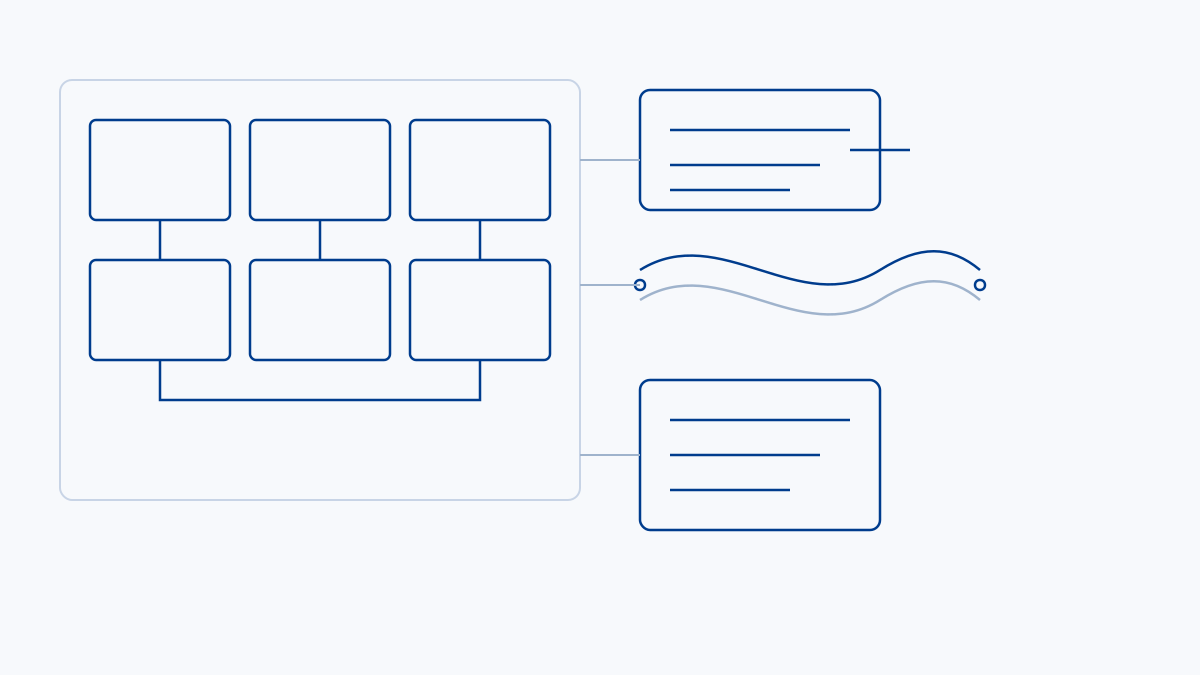
Energy storage BMS sampling loops transmit weak signals such as voltage and temperature, and are prone to coupling interference near high-voltage power loops inside the cabinet. Proper routing zoning and shielding design are the key to stable, reliable sampling signals.
1. Keep Away from Power Loops
The sampling harness should stay as far as possible from high-voltage power cables and switching-device routing, bundled separately and kept at a distance, reducing coupling at the routing level.
2. Shielding and Grounding
Interference-sensitive sampling loops may use shielded wire; the shield is grounded at one or both ends per design, ensuring grounding continuity.
3. Wire Sequence and Bundling
Sampling wires of the same cluster are bundled in ordered groups with clear wire numbers, easing mating to the acquisition board and later troubleshooting; avoid bundling strong-power and weak-signal wires together.
4. Material Selection and Testing
Sampling loops use low-smoke halogen-free signal wires; finished products undergo wire-by-wire continuity, and sampling signal loops are checked point by point for polarity and wire sequence, with system sampling verification when needed.
This article is written by the engineering team of a professional wire harness manufacturer; for energy storage BMS sampling harness design needs, please contact us for technical support.