
Wire Harness Reliability Testing Standards
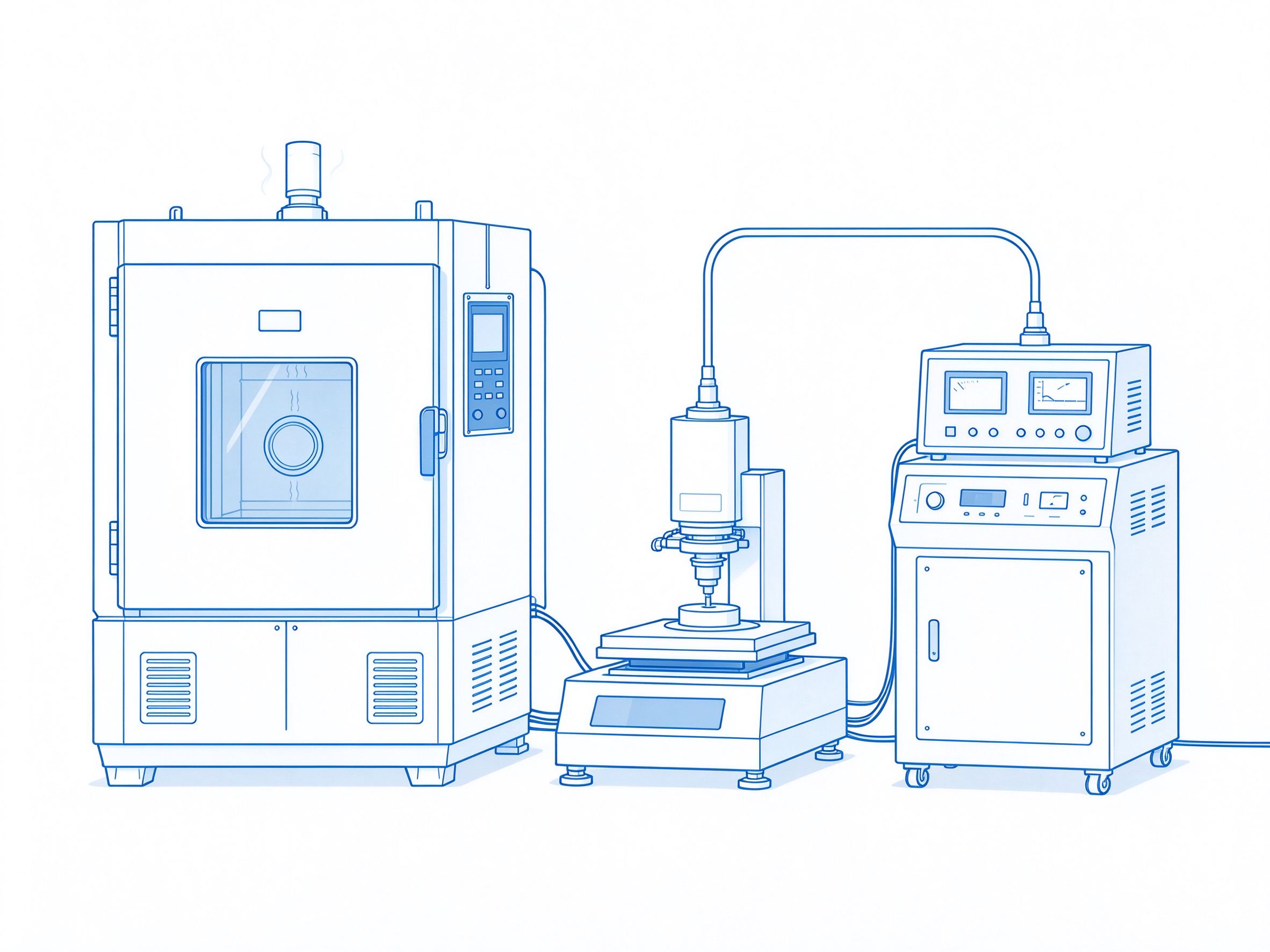
Reliability testing is an important means to verify harness durability. By simulating harsh environments and working conditions, it assesses performance stability over long-term use. Common tests fall into environmental, mechanical and electrical categories.
Environmental Tests
Temperature cycling: -40 to 125 degrees C for 100 cycles, verifying performance under extreme temperature changes and preventing loosening from thermal expansion and contraction.
Damp heat: 85 degrees C / 85%RH for 1000 hours, simulating hot and humid conditions to test corrosion resistance of cables and terminals.
Salt spray: 5% NaCl solution for 48 hours, mainly for under-vehicle harnesses and metal connectors to verify rust resistance.
Mechanical Tests
Vibration: 100 hours of random vibration simulating engine vibration, ensuring the harness does not fracture or lose contact while the vehicle is running.
Bending: 10,000 repeated bends of the conductor to test flexibility and durability, especially at frequently moving sections.
Electrical Tests and Standards
Withstand voltage: twice the rated voltage applied for one minute without breakdown; insulation resistance: no less than 100MΩ at 500V DC to ensure reliable insulation. Automotive harnesses mainly follow standards such as USCAR-2 and LV214, while industrial harnesses follow relevant IEC standards.