
Wire harness DFM review: five checks before quoting
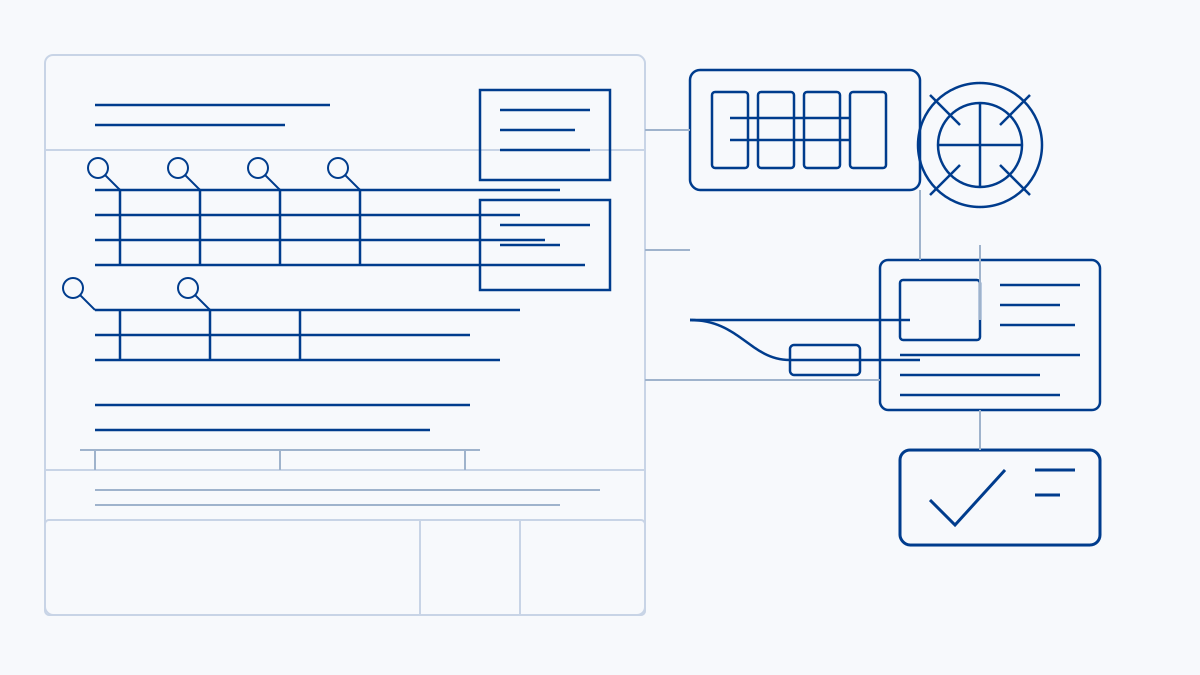
Drawing completeness: align dimensions and definitions first
Connector, terminal, wire, length, strip, crimp, marking, tolerance and branch points must line up. A photo alone leaves many dimensions and pin definitions unconfirmed.
Branches and routing: check space and bend radius first
Check bend radius, interference, fixing points and service space before deciding entry and exit directions. Mark pass-through holes, sleeves and tie points on the drawing.
Assembly sequence: think through how it goes in
Which section goes first, whether connectors pass through openings, how the fixture holds the harness, and whether blind assembly or keying errors are possible all affect cycle time and rework. An unclear sequence leads to missed or reversed parts in the batch.
Process capability: the structure must be buildable
Confirm that wire gauge matches terminal and tooling, and that strip length, crimp height, twisting, shielding and soldering requirements are stated. A structure that cannot be built should change at drawing stage, not after sampling.
Testing and changes: put acceptance conditions in the package
Confirm continuity, insulation, pull force and appearance requirements with the drawing or customer specification. Changes need version, effective batch and old-material handling. For a quote, send drawings, wiring table, 3D, sample and test requirements. See custom wire harness manufacturing.