
Connector insertion and latching process: pre-insertion checks, seating, anti-backout and batch inspection
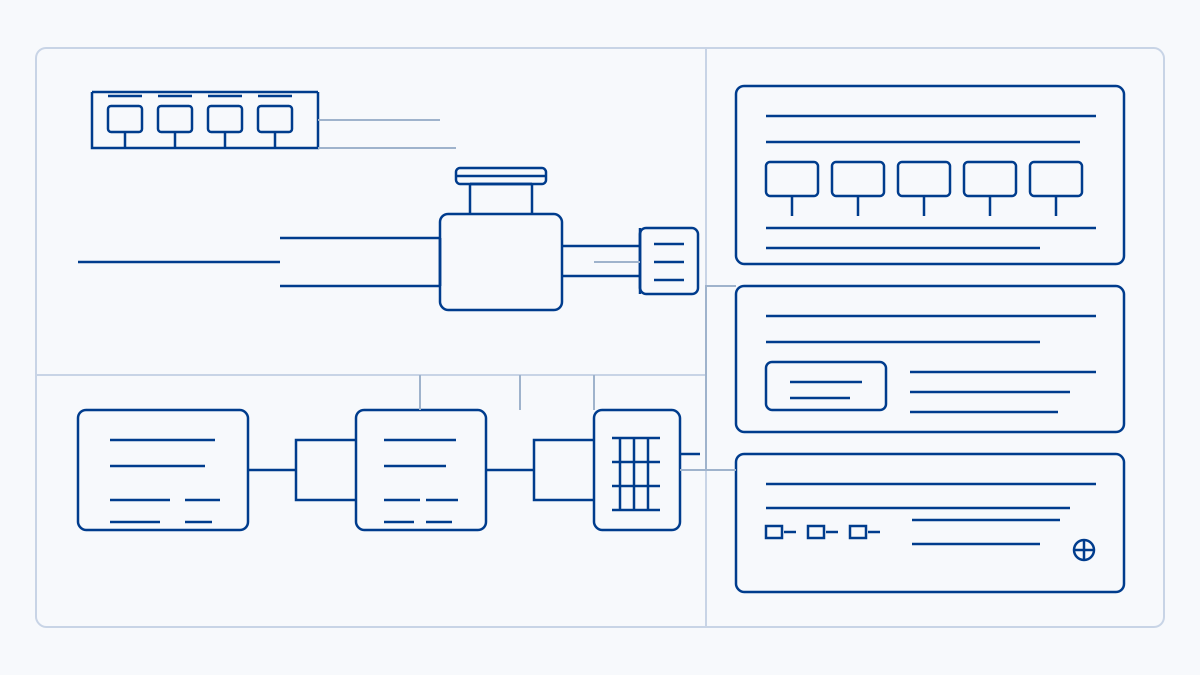
Process scope: what insertion and latching cover
This operation places terminals into the correct housing cavities, confirms primary and secondary latch engagement, and checks a clean mating face and undamaged housing. It does not replace crimp quality, terminal material validation or housing design verification. Before work starts, confirm connector family, cavity numbering, terminal orientation, seal and end-cap assembly order.
Pre-insertion checks: housing, terminal and orientation
Check the housing for cracks, distortion, flash and foreign matter; check terminals for bending and crimp-zone damage; check seals for twisting. Confirm cavities and pin definitions against the drawing so adjacent cavities are not swapped. For latched housings, verify the latch has not been pressed down prematurely, and install rear accessories in sequence.
Insertion and latching: seating and feel
Push the terminal steadily along the cavity axis, confirm primary latch seating, then complete secondary latching. Do not insert at an angle, force it, or press with a tool. After insertion, pull lightly to confirm no backout, and check that latch, retainer and housing face are flush. Stop and replace the part if backout, latch distortion or housing whitening appears.
Poka-yoke and tooling: cavity, direction and batch
Use cavity-marked fixtures or mistake-proof plates to constrain pick-up and insertion direction, and verify every cavity of a multi-cavity connector against the pin table. Store different housing families separately to prevent mixing. Record housing batch, terminal batch, workstation and tooling number; mark reworked connectors separately.
Inspection and batch release: appearance, retention and traceability
Inspect all cavities, latch height, flush face and light-pull retention at first article. Sample according to the control plan. Isolate the batch and trace housing, terminals and tooling if backout, latch failure, housing crack or incomplete seating appears. See custom wire harness manufacturing for process scope.