
Wire harness ultrasonic welding: wire-size matching, weld formation, parameter window and inspection
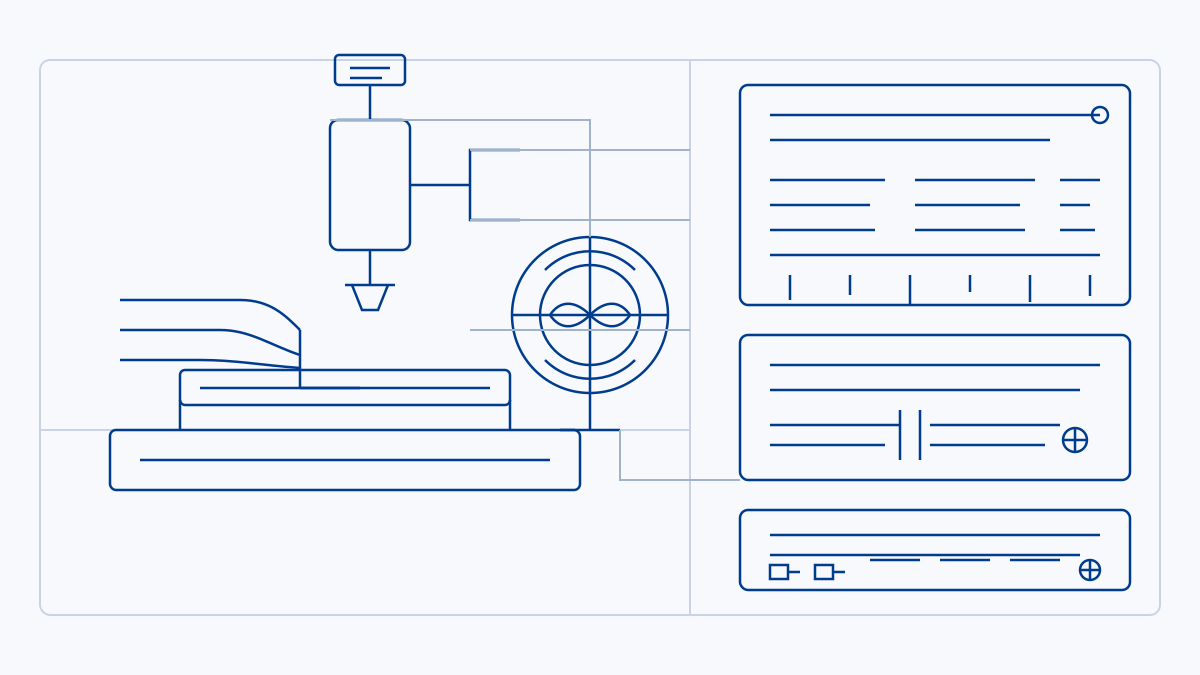
Process scope: what ultrasonic welding must control
Ultrasonic welding suits bare or tin-plated stranded copper joined to terminals and busbars; it does not replace every crimp or braze application. Before the first piece, confirm wire combination, strand count, terminal material and plating, weld location and insulation clearance. Insulation, oil and oxide must not enter the weld zone.
Wire and material matching: which conductors can be joined
Prefer the same material, similar wire sizes and a total cross-section within the equipment capability. When coarse and fine wires are mixed, gather the fine wires as the process requires before welding so they take part in the joint. Check wire size, strand count, plating and terminal lot at incoming inspection; requalify parameters after any material change.
Weld formation: amplitude, pressure and time
Set amplitude, pressure, weld time and energy from the wire combination and verified equipment capability, not by copying another plant. The weld should be dense and continuous, with no lack of fusion, no over-weld flash, no broken strands and no loose wire ends. Inspect both appearance and cross-section after welding.
Parameter window and equipment condition: requalify after any change
Run a new first-piece check after changing the horn, tooling, wire size or terminal lot. Include horn wear, tooling gap, pressure calibration and air supply in daily checks. Once parameters are locked, operators must not adjust them; record every abnormal stop.
Inspection and batch release: how to judge
The first piece checks appearance, weld dimensions, pull strength and cross-section; patrol inspection follows the control plan. If lack of fusion, over-weld, broken strands or a pull failure appears, isolate the batch and trace parameters, horn and wire size. Keep inspection records with the batch record. For custom assemblies, see custom wire harness manufacturing.