
Wire harness sampling checklist: what to prepare for a build-to-print quote
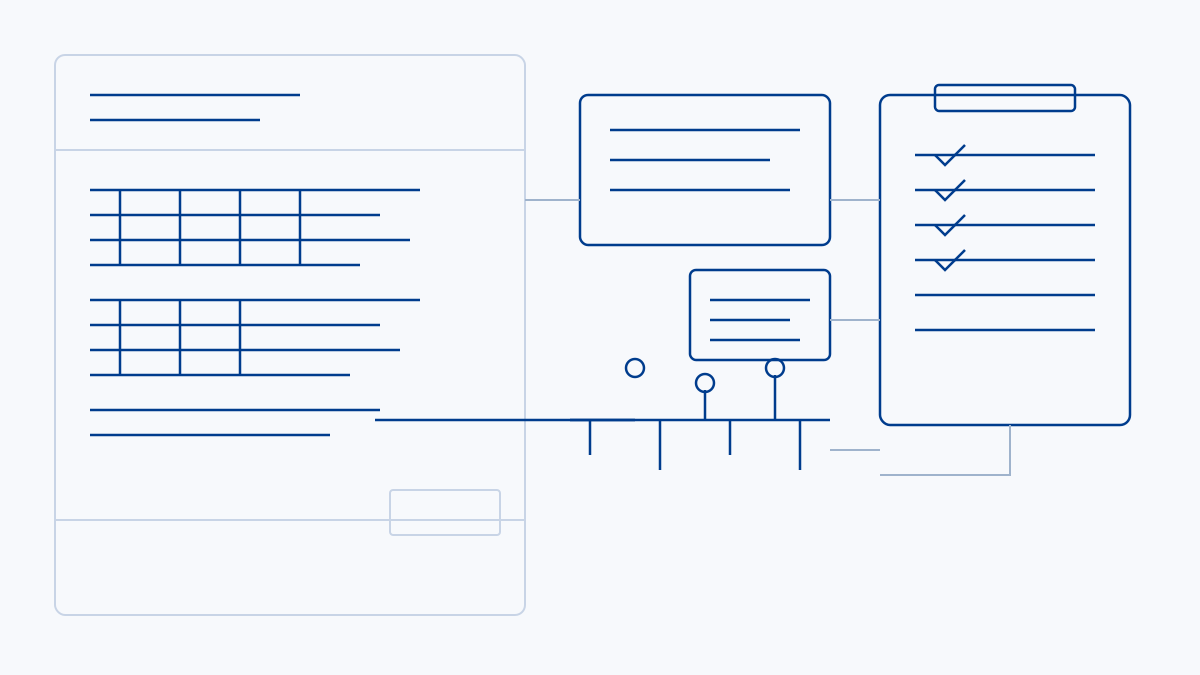
Drawings and wiring table: give the wire sequence a basis
With drawings, provide the general drawing, harness drawing, wiring table and change marks. Without drawings, at least state the start, end, colour and function of each wire. Connector part numbers, pin definitions and keying direction must match, so a single photo of the assembly is not enough.
Sample and interface definition: measure the key dimensions
The sample should show connector orientation, latch position, wire length, bends and sleeving extent. Measure key dimensions with a calliper and mark them, and define pin numbering and the signal for each pin. Mark any change from an old sample with photos or notes.
Quantity, lead time and tests: align before quoting
State the sample quantity, expected batch size, lead time and test requirements such as continuity, insulation, terminal pull force or appearance. Different tests change the process and labour. Better inputs mean fewer sampling and quoting loops. See wire harness prototyping and low-volume.